


 Hand Specialist
 What is XIAFLEX?
Short answer: An injectable treatment for Dupuytren's contracture
XIAFLEX is an FDA-approved nonsurgical injectable treatment for adults with Dupuytren's contracture when a "cord" can be felt. XIAFLEX should be injected by a healthcare provider experienced in injection procedures of the hand and in treating people with Dupuytren's contracture.
Please see below for the most common side effects.
How is XIAFLEX thought to work?
The short answer: It breaks down the "cord"
XIAFLEX is injected into the collagen "cord" that is causing the contracture. After injection, the XIAFLEX enzymes are thought to attach to the collagen that makes up the rope-like cord in the palm, unwinding the collagen and eventually breaking it down.
The mechanism of action of XIAFLEX in Dupuytren’s contracture is not fully understood.
Watch the video to see how XIAFLEX is thought to work.
Find a Hand Specialist trained in XIAFLEX
WATCH MORE VIDEOS
Find a Hand Specialist trained in XIAFLEX
WATCH MORE VIDEOS How is XIAFLEX administered?
The short answer: An in-office procedure with a Hand Specialist.
XIAFLEX is an injection given in a doctor's office by a Hand Specialist trained in XIAFLEX. Treatment doesn't require general anesthesia, and up to 2 contractures in 1 hand may be treated during 1 office visit. Speak to the Hand Specialist about what to expect with nonsurgical recovery.
Dupuytren's contracture may come back—no matter what treatment option you use. If your contracture returns after treatment, your Hand Specialist will let you know if XIAFLEX may be used again.
Watch the video to see Hand Specialist Dr Erik Dorf discuss the nonsurgical XIAFLEX procedure.
Is XIAFLEX effective for treating a contracture?
Explore the images to see a few results from actual patients with Dupuytren's contracture who received XIAFLEX.
Patient 1: Treatment of one contracture
- PIP joint of the right pinky finger
- XIAFLEX was injected into the "cord" (PIP joint)
- A finger extension procedure was performed for the joint 48 hours later
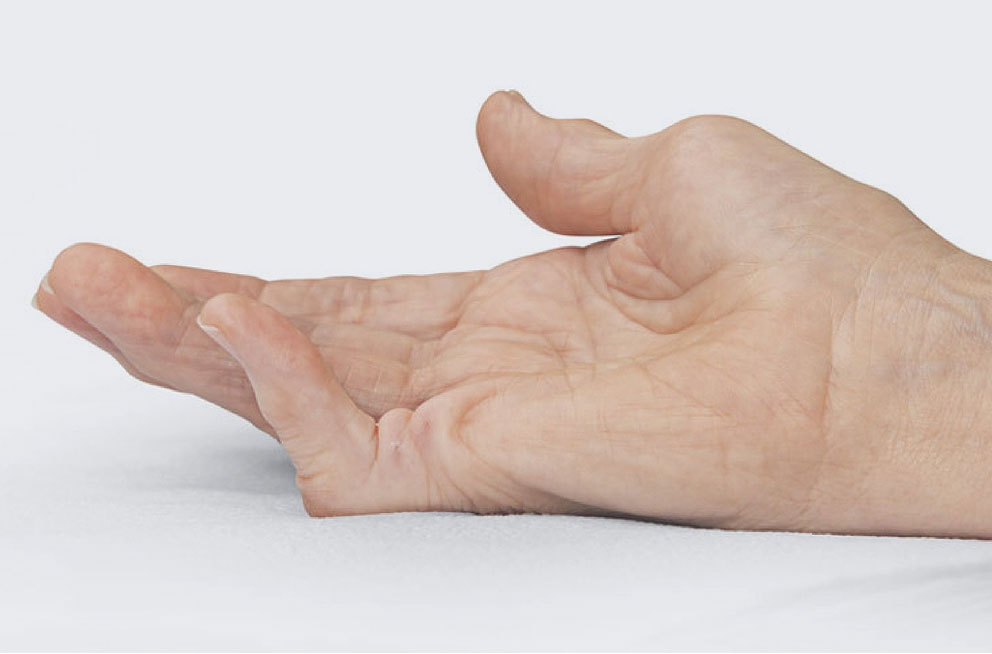

Before
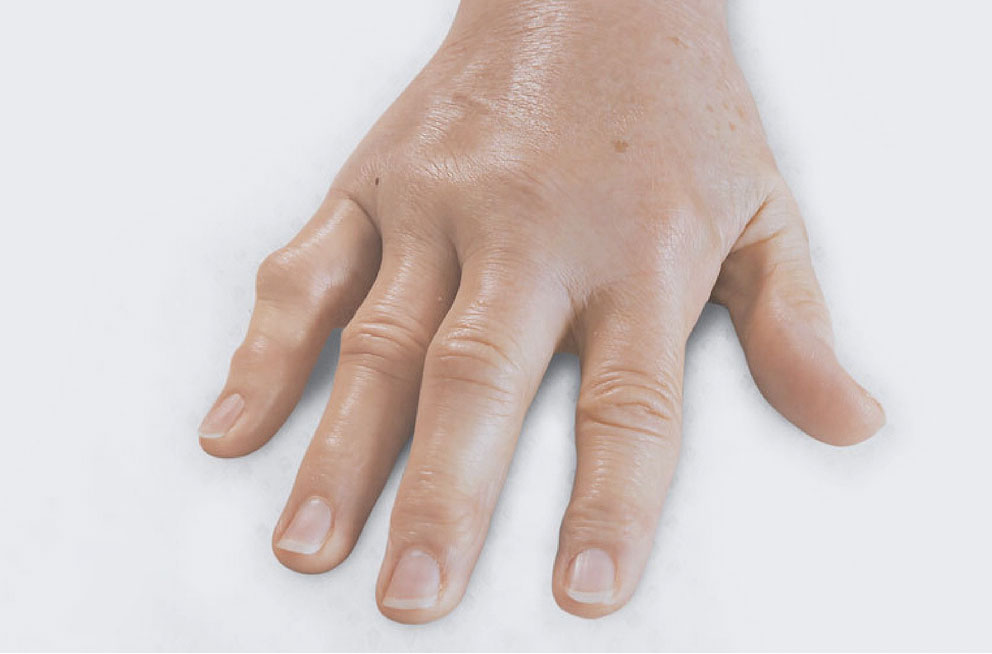
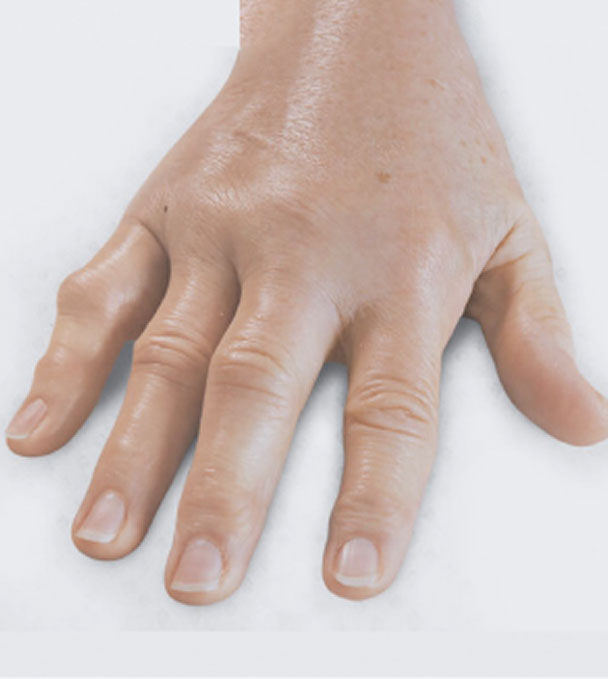
After
Patient 2: Treatment of two contractures on the same hand
- PIP joint of the left ring finger and the left pinky finger
- XIAFLEX was injected into the "cord" (PIP joints)
- A finger extension procedure was performed for each joint 24 hours later
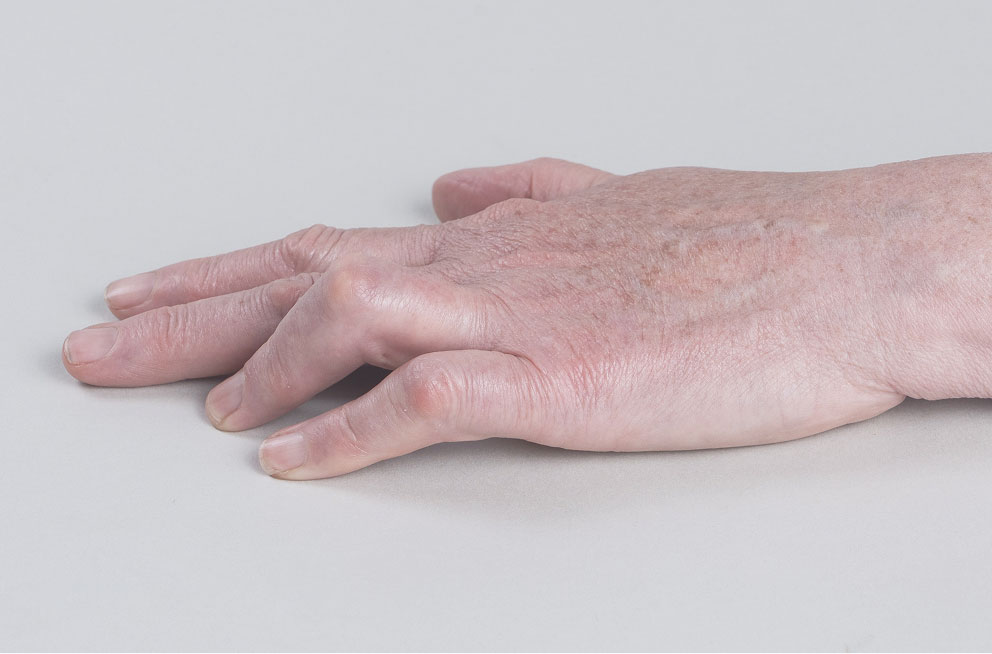
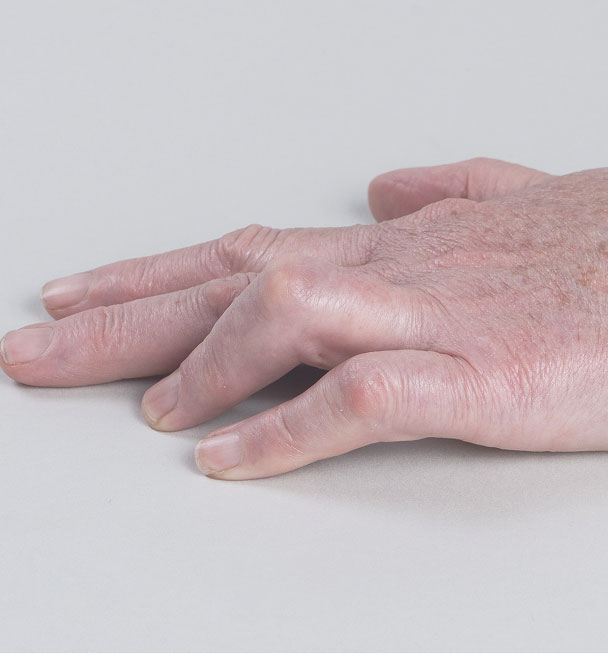
Before
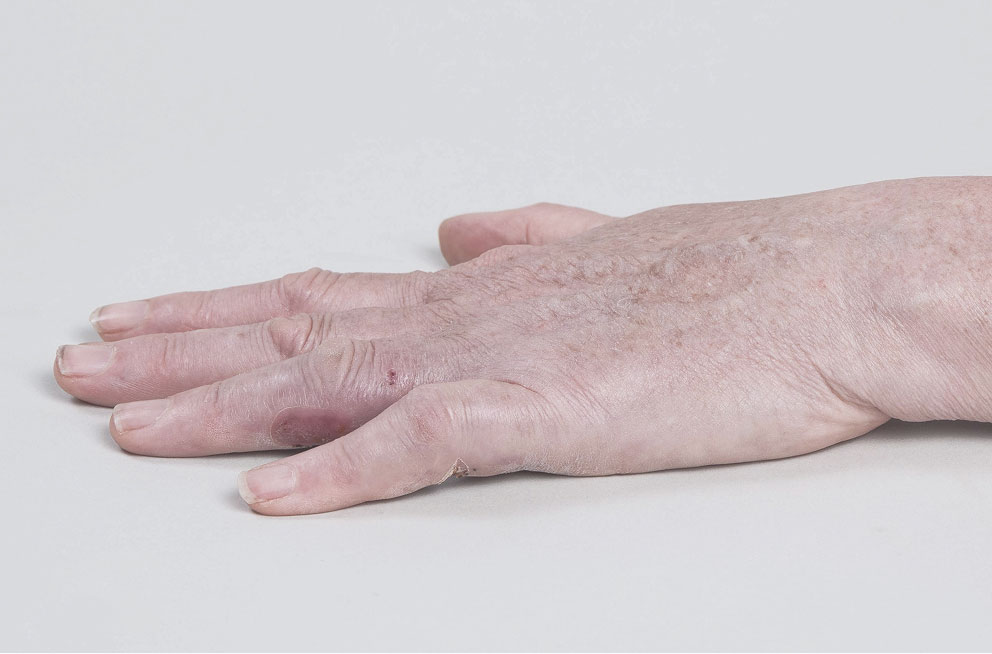
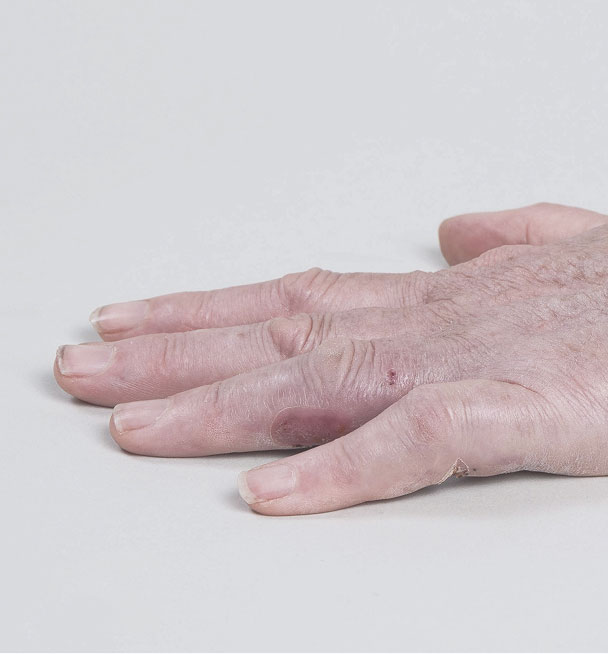
After
Patient 3: Treatment of two contractures on the same hand
- MP and PIP joints of the right pinky finger
- XIAFLEX was injected into the "cord" (MP joint and PIP joint)
- A finger extension procedure was performed for each joint 48 hours later

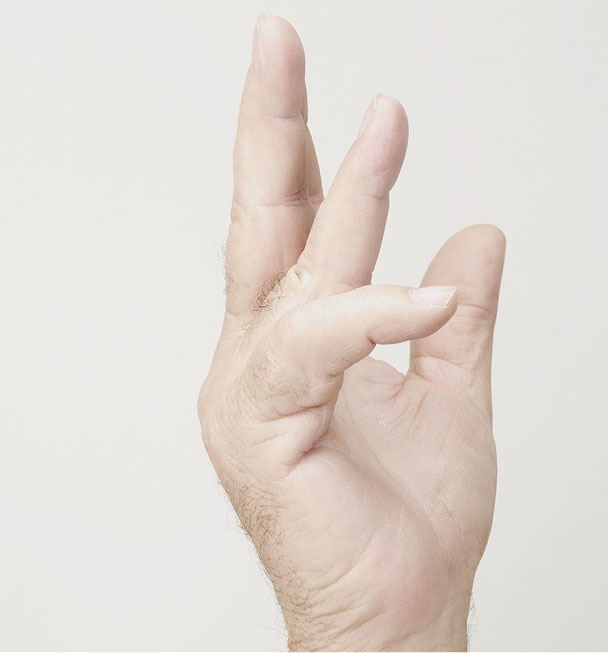
Before

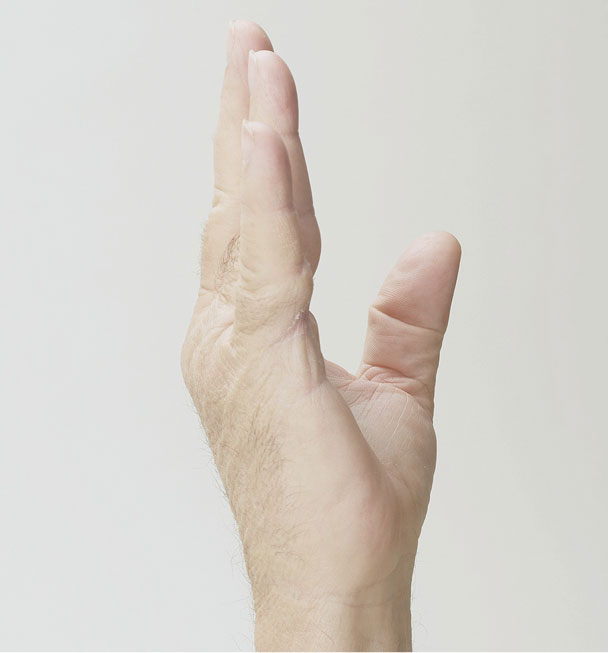
After
How can XIAFLEX help?
The short answer: It may help straighten fingers affected by Dupuytren's contracture.
Studies show that prescription XIAFLEX, along with a finger extension procedure, may help straighten or nearly straighten finger(s) affected by Dupuytren's contracture and may improve range of motion after up to 3 injections.
XIAFLEX may help contractures ranging from less severe to more severe, multiple contractures (up to 2 cords), or contractures that have come back.*
Watch a partner's perspective on XIAFLEX.
Find a Hand Specialist trained in XIAFLEX
WATCH MORE VIDEOS
What can I expect at my XIAFLEX procedure?
It's a three-step process that covers the day of the injection procedure, your finger extension appointment, and your 30-day progress check.
The day of your injection
The procedure
- The Hand Specialist will inject XIAFLEX directly into the cord causing your finger(s) to bend. If you have 2 contractures on the same hand, your Hand Specialist may give you 2 injections during the same visit
- Then, your hand will be bandaged, and you will be advised to keep your hand elevated until bedtime
- Limit the movement of your treated finger(s) and do not manually bend or straighten the treated finger(s) yourself. You may see swelling and/or bruising after the injection
- Plan to have someone drive you home from the procedure
Call your Hand Specialist right away if you have any side effects.
Your follow-up appointment
Extending your finger(s)
- At your follow-up appointment approximately 1 to 3 days after the injection procedure, if you still have a cord, a Hand Specialist may try to extend the treated finger(s) and "break" the cord to help straighten your finger(s). Your doctor may use local anesthetic for this procedure
- After the injection and finger extension procedures, and leading up to your 30-day follow-up appointment, it's important to wear a splint at bedtime nightly for up to 4 months and do finger exercises several times a day for several months
- Follow the Hand Specialist's instructions on when you can start doing normal activities with your injected hand
30 days after the injection
Checking your progress
At the second follow-up appointment, the Hand Specialist will examine your progress. Depending on the results or if the cord(s) is still present, they may suggest additional injections and finger extension procedures (up to 3 times per cord, approximately 4 weeks apart).
What are the side effects of XIAFLEX?
XIAFLEX can cause serious side effects such as tendon rupture, ligament damage, and/or nerve injury or other serious injury of the hand; hypersensitivity reactions, including anaphylaxis; fainting; and increased chance of bleeding in certain cases.
Call the Hand Specialist right away if you have:
- Signs of infection after your injection such as fever, chills, increased redness, or severe swelling
- Numbness or tingling in the treated finger(s)
- Trouble bending the injected finger(s) after the swelling goes down, or problems using your treated hand after your follow-up visit
- Increased pain in the injected finger(s) or hand after your injection or after your follow-up visit
- Tears in the skin of your treated finger(s) or hand after your injection or after your follow-up visit
- Signs of an allergic reaction such as hives, chest pain, swollen face, low blood pressure, breathing trouble, or dizziness or fainting
If you have dizziness or feel faint after receiving XIAFLEX, lie down until the symptoms go away.
The most common side effects with XIAFLEX for the treatment of Dupuytren's contracture include swelling of the injection site or the hand; bruising or bleeding at the injection site; pain or tenderness of the injection site or the hand; swelling of the lymph nodes (glands) in the elbow or armpit; itching; breaks in the skin; redness or warmth of the skin; and pain in the armpit.
Tell your healthcare provider if you have any side effect that bothers you or does not go away. These are not all of the possible side effects of XIAFLEX.
For more information, ask your healthcare provider or pharmacist.

Some helpful hints while your results load:
IMPORTANT SAFETY INFORMATION
Do not receive XIAFLEX® if you have had an allergic reaction to collagenase clostridium histolyticum or any of the ingredients in XIAFLEX, or to any other collagenase product. See the end of the Medication Guide for a complete list of ingredients in XIAFLEX.
XIAFLEX can cause serious side effects, including:
- Tendon rupture or ligament damage. Receiving an injection of XIAFLEX may cause damage to a tendon or ligament in your hand and cause it to break or weaken. This could require surgery to fix the damaged tendon or ligament. Call your healthcare provider right away if you have trouble bending your injected finger (towards the wrist) after the swelling goes down or you have problems using your treated hand after your follow-up visit
- Nerve injury or other serious injury of the hand. After finger procedures, some people developed tears in the skin (lacerations), and local skin and soft-tissue necrosis (death of skin cells). Some lacerations and necrosis required skin grafting, or other surgery including amputation. Call your healthcare provider right away if you get numbness, tingling, increased pain, or tears in the skin (laceration) in your treated finger or hand after your injection or after your follow-up visit
- Hypersensitivity reactions, including anaphylaxis. Severe allergic reactions can happen in people who receive XIAFLEX because it contains foreign proteins. Call your healthcare provider right away if you have any of these symptoms of an allergic reaction after an injection of XIAFLEX:
- hives
- swollen face
- breathing trouble
- chest pain
- low blood pressure
- dizziness or fainting
- Fainting. Fainting (passing out) or near fainting can happen in people who receive XIAFLEX, especially following finger procedures
If you have dizziness or feel faint after receiving XIAFLEX, lie down until the symptoms go away. - Increased chance of bleeding. Bleeding or bruising at the injection site can happen in people who receive XIAFLEX. Talk to your healthcare provider if you have a problem with your blood clotting. XIAFLEX may not be right for you.
Before receiving XIAFLEX, tell your healthcare provider if you have had an allergic reaction to a previous XIAFLEX injection, or have a bleeding problem or any other medical conditions. Tell your healthcare provider about all the medicines you take, including prescription and non-prescription medicines, vitamins, and herbal supplements. Using XIAFLEX with certain other medicines can cause serious side effects. Especially tell your healthcare provider if you take medicines to thin your blood (anticoagulants). If you are told to stop taking a blood thinner before your XIAFLEX injection, your healthcare provider should tell you when to restart the blood thinner. Ask your healthcare provider or pharmacist for a list of these medicines if you are unsure.
The most common side effects with XIAFLEX for the treatment of Dupuytren’s contracture include:
- swelling of the injection site or the hand
- bruising or bleeding at the injection site
- pain or tenderness of the injection site or the hand
- swelling of the lymph nodes (glands) in the elbow or armpit
- itching
- breaks in the skin
- redness or warmth of the skin
- pain in the armpit
Tell your healthcare provider if you have any side effect that bothers you or does not go away. These are not all of the possible side effects with XIAFLEX. For more information, ask your healthcare provider or pharmacist.
WHAT IS XIAFLEX®?
XIAFLEX is a prescription medicine used to treat adults with Dupuytren’s contracture when a “cord” can be felt. It is not known if XIAFLEX is safe and effective in children under the age of 18.
Rx Only
Click for full Prescribing Information, including Medication Guide.
You are about to leave the XIAFLEX® (collagenase clostridium histolyticum) website.
The information contained in this section of the site is intended for US healthcare professionals only.
Click CONTINUE if you are a US healthcare professional.

You are about to leave the XIAFLEX® (collagenase clostridium histolyticum) website.
You are being redirected to a third-party website to help estimate your potential cost and coverage for XIAFLEX.